
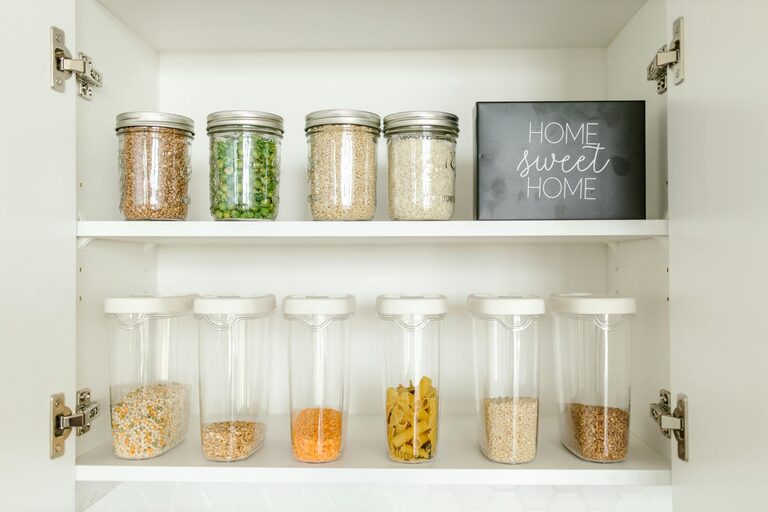
Keeping a tidy fridge and pantry is essential for a well-functioning kitchen. Not only does organization save you time when cooking, but it also helps reduce food waste and ensures your groceries stay fresh longer. If your fridge or pantry feels cluttered or chaotic, don’t worry — with a few simple strategies, you can create a clean, orderly space that makes mealtime easier and more enjoyable.
In this post, we’ll explore practical tips and tricks to help you maintain an organized fridge and pantry.
Why Organizing Your Fridge and Pantry Matters
Before diving into tips, it’s helpful to understand the benefits of keeping your food storage areas tidy:
– Easier meal planning: When you can quickly see what you have, planning meals becomes faster and more efficient.
– Reduced waste: Organized storage prevents food from spoiling unnoticed.
– Improved hygiene: Regular cleaning reduces the risk of spills, mold, and odors.
– Time-saving: Finding ingredients quickly saves valuable time in the kitchen.
With that in mind, let’s explore how to tackle both your fridge and pantry.
How to Keep Your Fridge Tidy
1. Clean Regularly
Set a routine to clean your fridge at least once a month. Remove all items, wipe down shelves with warm, soapy water, and dry thoroughly. This prevents mold, sticky spills, and unpleasant smells.
2. Use Clear Storage Containers and Bins
Invest in clear bins and containers for loose items like cheese, deli meat, or fruits. This keeps similar items grouped together and easy to spot. Labeling containers can add an extra layer of organization.
3. Organize by Zones
Designate specific areas for different types of food:
– Top shelves: Ready-to-eat foods like leftovers, drinks, and dairy products.
– Middle shelves: Eggs, dairy, or snacks.
– Bottom shelves: Raw meat, poultry, or fish (placed on trays to catch drips).
– Drawers: Use for fruits and vegetables, adjusting humidity settings if possible.
This zoning helps prevent cross-contamination and makes finding items easier.
4. Keep Expiry Dates in View
Position items with the nearest expiry dates at the front so you use them first. This helps minimize food waste and saves money.
5. Avoid Overstocking
Don’t cram too much in your fridge. Air needs to circulate for proper cooling. A clutter-free fridge runs more efficiently and keeps food fresh longer.
6. Use Refrigerator Door Wisely
Store condiments, sauces, and drinks in the door since it’s the warmest part of the fridge and not ideal for perishable items.
How to Maintain an Organized Pantry
1. Declutter Regularly
Every few months, go through your pantry and remove expired or stale items. Donate non-perishable goods you won’t use to reduce clutter.
2. Categorize Items
Group pantry items by category:
– Baking ingredients
– Canned goods
– Snacks
– Pasta and grains
– Spices and seasonings
Use baskets, bins, or shelves to keep these groups separate and easy to locate.
3. Use Clear Containers for Dry Goods
Store flour, sugar, rice, pasta, and cereals in airtight, clear containers to keep them fresh and visible. This also helps prevent pests.
4. Label Everything
Label containers and shelves clearly. Whether handwritten or printed, labels help everyone in the household easily find what they need and put items back correctly.
5. Rotate Stock
Place new groceries behind older items to ensure older products are used first. This simple rotation system prevents food from being forgotten and going bad.
6. Maximize Vertical Space
Use shelf risers or stackable bins to utilize all available vertical space efficiently. Hanging organizers on pantry doors can also add extra storage pockets.
7. Keep Frequently Used Items Accessible
Store the things you use most often at eye level or in easy-to-reach spots to speed up your cooking and reduce clutter.
Additional Tips for Both Fridge and Pantry
– Keep a shopping list: Maintain an ongoing list to avoid buying duplicates or unnecessary items.
– Check temperature settings: Your fridge should ideally be set at 37-40°F (3-4°C) and your freezer at 0°F (-18°C) for optimal food preservation.
– Involve the family: Everyone should know where things go to maintain order.
– Use shelf liners: These make cleaning spills easier and protect surfaces.
– Don’t store food with strong odors near each other: Keep foods like onions and dairy separated to avoid unwanted smells.
Final Thoughts
Keeping your fridge and pantry tidy is a manageable task with a little planning and consistent effort. By following these simple tips, you can transform cluttered shelves into neat, accessible storage spaces that help your kitchen run smoothly. Not only will you save time and reduce food waste, but you’ll also create a more inviting kitchen environment.
Start small with one area, and you’ll be surprised how much of a difference it makes. Happy organizing!