
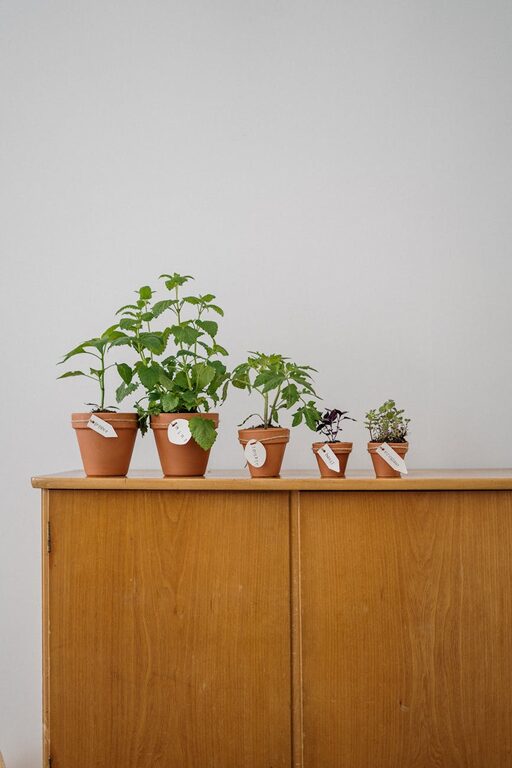
Growing fresh herbs indoors is a wonderful way to add flavor to your cooking, brighten your living space, and enjoy gardening no matter the season. Whether you live in an apartment or simply want a convenient herb supply, starting a small indoor herb garden is straightforward and satisfying. This guide will walk you through each step of the process, from choosing your herbs to caring for them in your home.
Why Grow Herbs Indoors?
Growing herbs inside has many benefits:
– Freshness: You have fresh herbs available anytime.
– Convenience: No need to run to the store.
– Year-round gardening: Herbs grow regardless of outdoor weather.
– Space-saving: Small areas like balconies or windowsills can fit small pots.
– Air quality: Some herbs can help improve indoor air.
Choosing the Right Herbs for Indoor Gardening
Not every herb thrives indoors, so start with beginner-friendly varieties. Here are some popular herbs that do well inside:
– Basil: Needs plenty of light and warmth.
– Mint: Grows quickly and prefers indirect sunlight.
– Parsley: Thrives in moderate light.
– Chives: Easy to grow and useful in many recipes.
– Thyme: Tolerates drier conditions and bright light.
– Cilantro: Prefers cooler spots and bright, indirect light.
Supplies You’ll Need
Before planting, gather a few basic items:
– Containers: Choose pots with drainage holes to prevent waterlogging.
– Potting soil: Use a well-draining soil mix designed for indoor plants.
– Herb seeds or starter plants: Beginners might find small starter plants easier.
– Watering can or spray bottle: For consistent watering.
– Light source: A sunny windowsill or supplemental grow lights.
– Fertilizer (optional): A balanced, water-soluble fertilizer can boost growth.
Step-by-Step Guide to Planting Your Herb Garden
1. Select Your Containers
Select pots that fit your available space and allow room for root growth. Small to medium pots, about 4 to 6 inches wide, are ideal for most herbs.
2. Prepare the Soil
Fill your pots with potting soil, leaving about an inch at the top. Lightly moisten the soil but avoid soaking it before planting.
3. Planting Seeds or Seedlings
– Seeds: Follow packet instructions for planting depth. Generally, plant seeds about twice as deep as their size.
– Seedlings: Gently loosen roots if pot-bound and plant at the same soil depth as in their starter container.
4. Position Your Herb Garden
Herbs generally need 6-8 hours of light daily. A south-facing window is ideal. If natural light is limited, a grow light can provide the necessary full-spectrum light for healthy growth.
5. Watering Your Herbs
Keep soil consistently moist but not soggy. Water when the top inch of soil feels dry. Overwatering can lead to root rot, so balance is key.
6. Feeding Your Plants
Fertilize herbs every 4-6 weeks during growing season with a diluted, balanced fertilizer. Too much fertilizer can reduce flavor intensity, so use sparingly.
Caring Tips for a Thriving Herb Garden
– Prune regularly: Pinch back leaves to encourage bushier growth and prevent flowering.
– Rotate pots: Turn plants weekly to promote even light exposure and growth.
– Check for pests: Look under leaves for common pests like aphids or spider mites.
– Keep humidity moderate: Indoor air can be dry. Group plants or mist occasionally to maintain humidity.
Harvesting Your Herbs
Harvest herbs in the morning when their oils are most concentrated for best flavor. Regular harvesting encourages new growth. Always use clean scissors or pinch leaves gently.
Common Challenges and How to Solve Them
– Leggy plants: Usually a sign of insufficient light. Move pots closer to a window or use grow lights.
– Yellow leaves: Often caused by overwatering or poor drainage.
– Slow growth: May need more light, fertilizer, or check for pests.
Final Thoughts
Starting a small herb garden indoors is an easy, enjoyable project that brings fresh flavors and greenery into your home. With minimal supplies and a bit of care, you’ll soon be enjoying herbs perfect for cooking, teas, or garnishes. Experiment with different varieties and find what works best for your space and taste.
Happy gardening!